
Brazil's football warriors
Social bonding and inter-group violence
The Global Family
Could kinship and shared experiences of motherhood unite humanity at large?
Is there a language of terrorists?
A comparative manifesto analysis
Dying for the group
Towards a general theory of extreme self-sacrifi
The evolution of extreme cooperation via shared dysphoric experiences
Human rites
Rituals bind us, in modern societies and prehistoric tribes alike. But can our loyalties strtch to all of humankind?
What motivates extreme self-sacrifice?
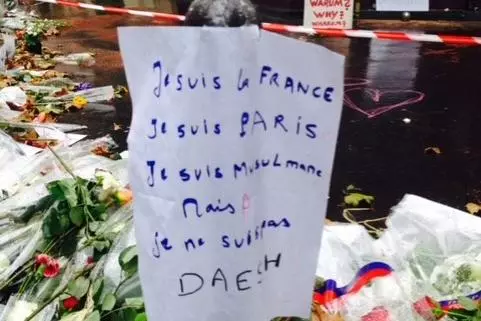
Violent extremism isn't really motivated by religion but by fusion with the group
Winning at any cost
Identify fusion, group essence, and maximizing ingroup advantage

How does religion motivate cooperation?
Religion has famously motivated many cooperative achievements in world history – from building pyramids and cathedrals to binding together empires. Can religion help us solve even bigger problems facing the world today? All the big religions provide scriptural support for stewardship of the environment. Researchers at the CSSC are seeking to harness the cohesive power of religion to tackle global environmental problems, such as the current climate crisis.
How can we prevent violent extremism?
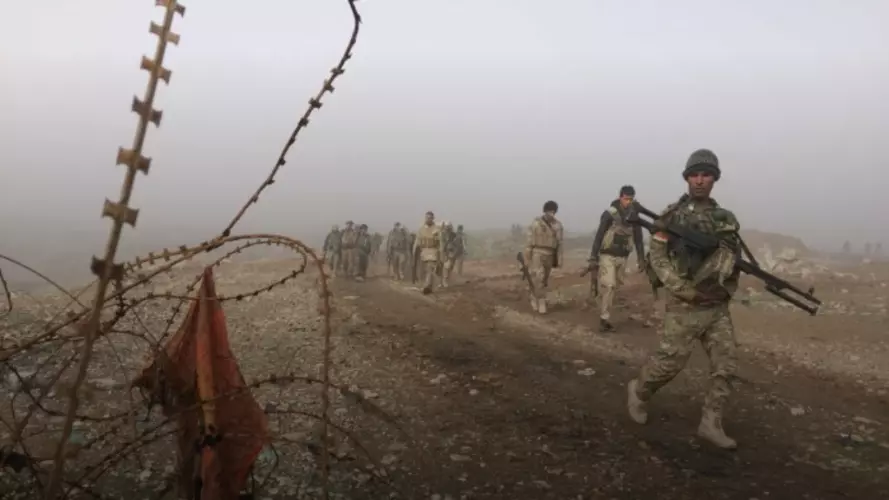
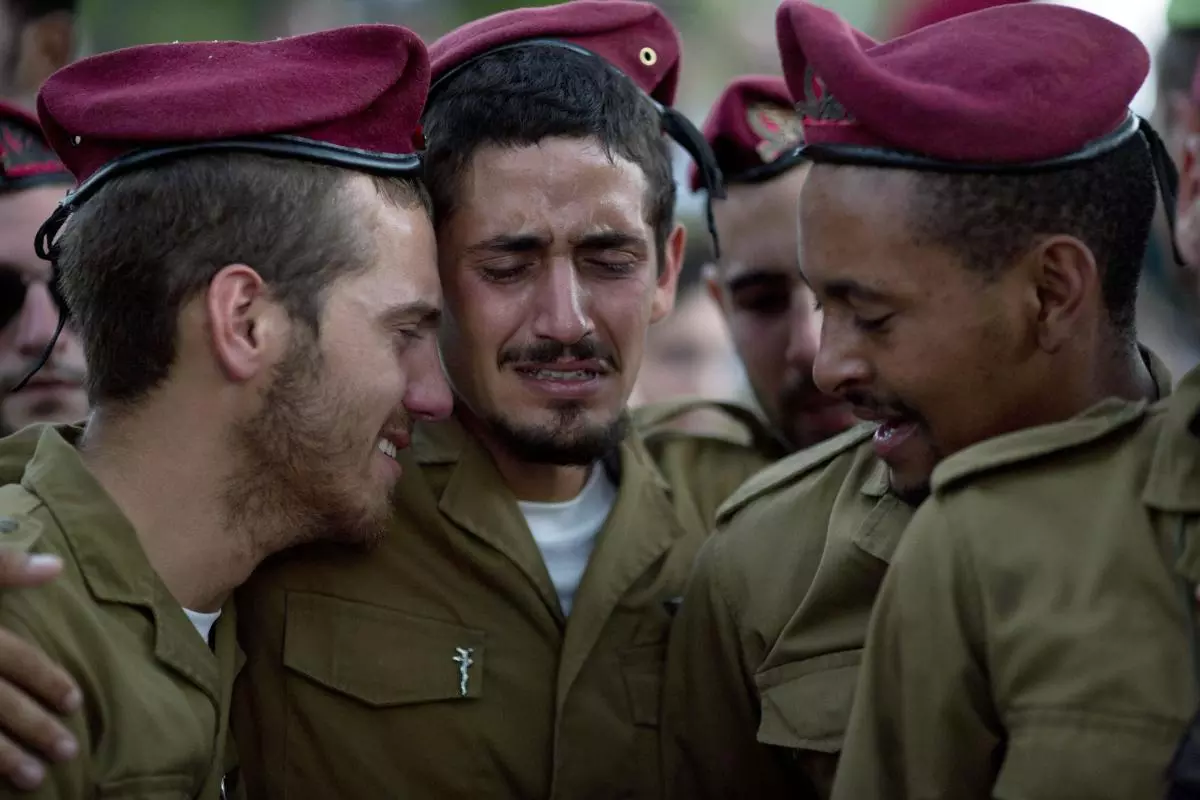
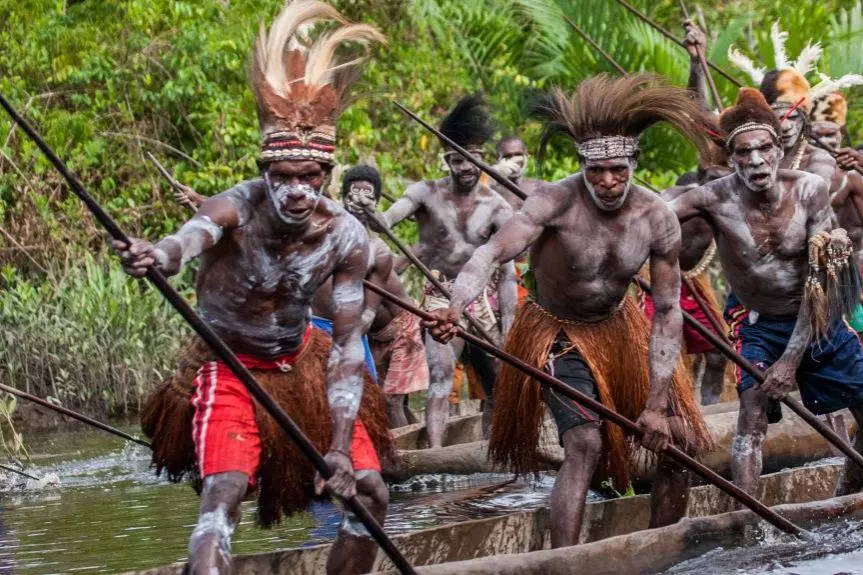
CSSC researchers have been studying the causes of self-sacrifice in armed groups ranging from tribal warriors to modern armies and from revolutionary insurgents to suicide terrorists. One of the surprising findings of this work is that extreme self-sacrifice may not be motivated by religious beliefs (or in fact by any kind of ideology) but by a combination of two main factors – a distinctive form of group alignment known as ‘identity fusion’ combined with the conviction that the group is under threat. Fusion of personal and group identities may result from sharing transformative experiences.
Can football fandom provide a path to desistance?
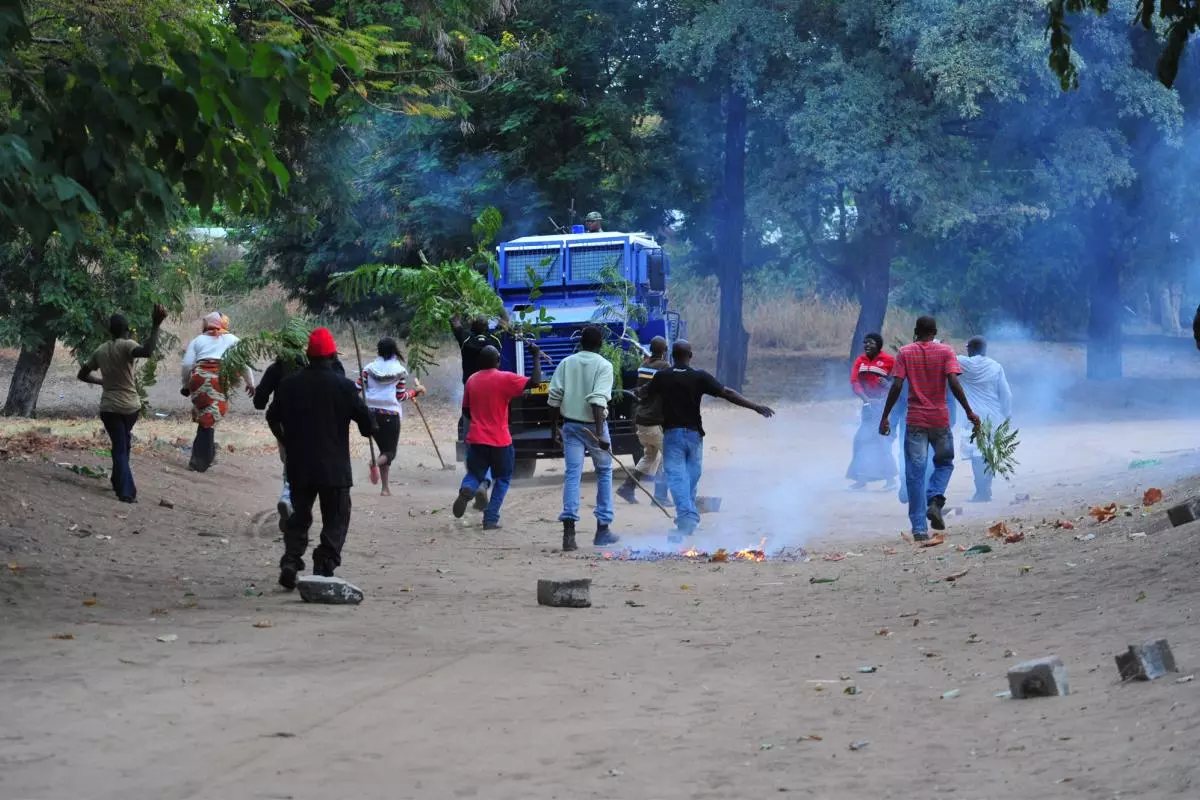
The passions of football fans are well known and the destructive effects of hooliganism notorious. Researchers at the CSSC have been studying the psychology behind football fandom and exploring ways of channelling cohesion among supporters to support peaceful, law-abiding forms of prosocial action. Our findings suggest that far from social maladjustment causing violence, social cohesion is at the heart of the trouble, moderated by perceptions of threat. We have also learned from our research that losing has more powerful and enduring bonding effects on fans than winning.
Can cohesion be used to address global challenges?
Although social cohesion is one of the most powerful drivers of intergroup conflict, it can also be one of the most enduring solutions. Loving a group entails a commitment to defending it when it is under attack, but what if the group could be expanded to encompass humanity at large? And what if external threats were not so much other groups but global problems facing all of us such as climate change, species loss, intergroup conflict, forced migration, polarisation, extreme poverty, and food insecurity? CSSC researchers have been exploring the psychological processes that enable us to bond with larger and larger groups –not only with other humans but across the species barrier.