Centre for Social Cohesion


Overview
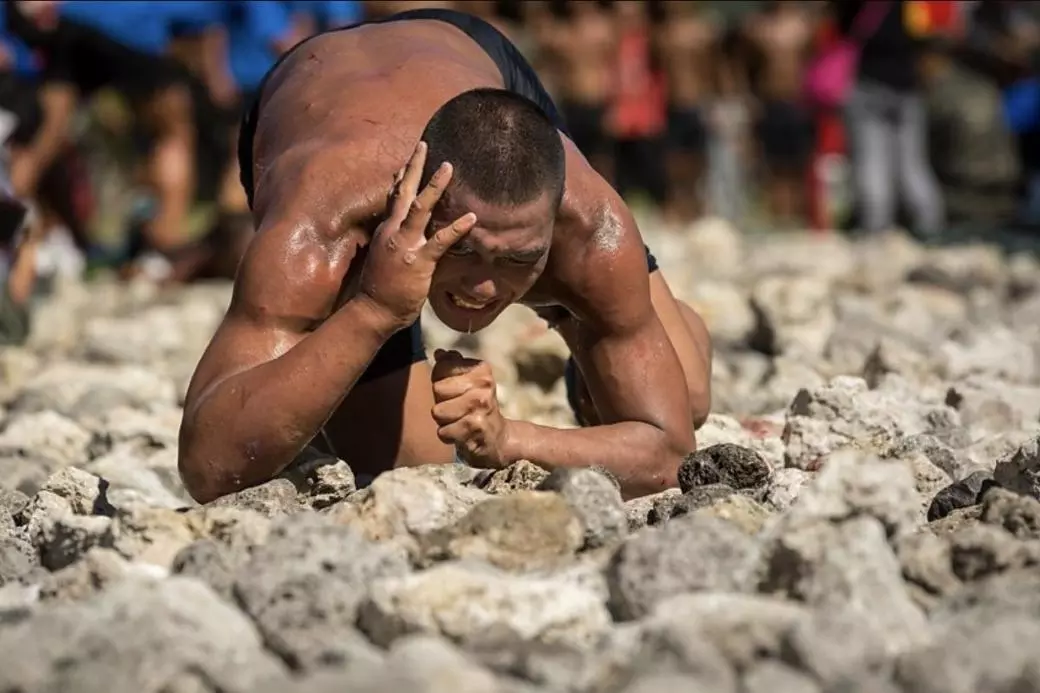
CSSC researchers have been studying the causes of self-sacrifice in armed groups ranging from tribal warriors to modern armies and from revolutionary insurgents to suicide terrorists. One of the surprising findings of this work is that extreme self-sacrifice may not be motivated by religious beliefs (or in fact by any kind of ideology) but by a combination of two main factors - a distinctive form of group alignment known as 'identity fusion' combined with the conviction that the group is under threat. Fusion of personal and group identities may result from sharing transformative experiences with others. Such findings also point to ways of de-fusing violent extremists.
Making a difference
If suicide attackers are fused to the group through shared experiences then maybe we can influence the process of fusion as it occurs or develop ways of modifying the memories on which fusion depends. But our research with twins and other family members has shown that fusion is also driven by perceptions of shared biology. Indeed, the most common group for people to fuse with is close family members. Award-winning work at the CSSC is using these theories to prevent acts of violent extremism before it is too late.

CSSC director addresses the World Economic Forum at Davos on the need to understand cohesion to address radicalization

Julia Ebner, CSSC DPhil candidate, spent two years infiltrating far-right networks - here she discusses fear, loathing and democracy in an age of disinformation